
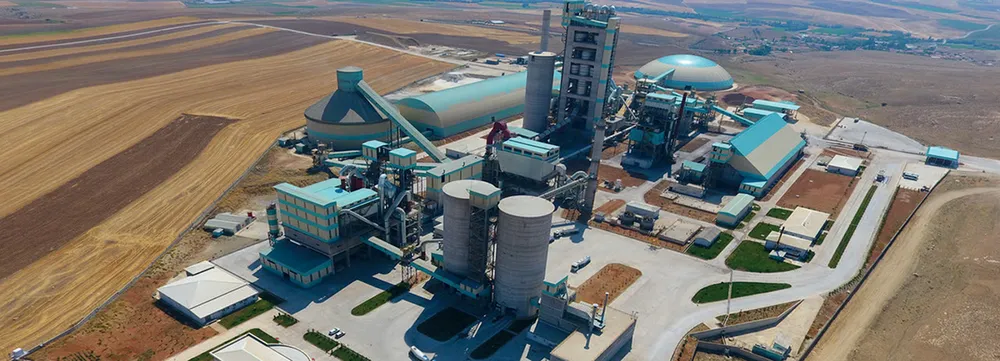
For sustainability, modern cement production increasingly burns processed solid waste (alternative fuel) instead of fossil fuel. It is an environmentally valuable shift — but it brings a serious fire risk: flammable, dusty, self-heating fuel stored in large volumes on site. At Limak Cement’s solid-waste incineration facilities in Ankara (Anka) and Şanlıurfa, A-Pro Engineering met this risk with a multi-layer fire protection system.
The Source of the Risk: Alternative-Fuel Storage and Feed
At waste-incineration (refuse-derived fuel) facilities, the fire risk comes from the nature of the process:
- Storage yards — large volumes of flammable waste; dust accumulation and self-heating risk.
- Conveyors and feed lines — moving, dusty open lines that continuously carry fuel; points where fire can spread fast.
- Mixed fuel content — material that may contain oil/fuel derivatives poses a flammable-liquid (Class B) fire risk.
No single system is enough here; detection, suppression and water infrastructure were designed together.
Foam Suppression and Deluge Valve Sets
Because the stored refuse-derived fuel can be mixed and liquid-bearing, foam was placed at the centre of suppression:
- Foam blankets the burning material’s surface, cutting off oxygen and preventing re-ignition — water alone falls short with such fuels.
- Deluge valve sets bring all open nozzles in the protected zone online at once when detection triggers; in fast-spreading open areas like conveyors and storage, they deliver total, rapid suppression.
Hydrant Line and Water Infrastructure
On an industrial site, fixed suppression systems are complemented by a fire hydrant line that supports firefighter intervention. The site-wide hydrant line was installed to provide reliable water supply to both the automatic systems and manual response.
Fire Detection and Alarm
Suppression only works if it is triggered in time. The fire detection and alarm system installed at the facilities catches developments in the storage and feed lines early — raising the alarm and generating the signal that brings the deluge valves online.
Two Facilities, the Same Turnkey Approach
A-Pro Engineering carried the project from a single source at both facilities:
- Engineering design — storage/conveyor risk analysis, foam and deluge zone design.
- Procurement — foam systems, deluge valve sets, hydrant equipment, detection panels and detectors.
- Electro-mechanical works — foam/water pipework, hydrant line, support systems, wiring.
- Installation — nozzle, valve, hydrant and detector installation.
- Testing and commissioning — functional, foam-discharge and detection scenario tests.
Outcome
Limak Cement’s Ankara and Şanlıurfa waste-incineration facilities were secured turnkey with a multi-layer fire protection system suited to the specific risk of alternative fuel — foam suppression, deluge valves, hydrant line and detection. The project reflects A-Pro Engineering’s experience with industrial-scale fire protection centred on process risk.
Frequently asked questions
Why does a cement plant's waste-incineration facility carry a high fire risk?+
Modern cement plants burn processed solid waste (alternative / refuse-derived fuel) instead of fossil fuel. This fuel is stored and moved in large volumes on site; it can be flammable, dusty and prone to self-heating. Storage yards, conveyors and feed lines therefore require dedicated fire protection.
Why was foam suppression chosen at these facilities?+
The stored refuse-derived fuel and any oil/fuel-bearing materials pose a liquid and mixed-fuel fire risk. Foam blankets the burning material's surface, cutting off oxygen and preventing re-ignition; for such fuels it is far more effective than water alone.
What does a deluge valve set do?+
A deluge valve opens when detection triggers, sending water/foam to all open nozzles in the protected zone at once. In fast-spreading open areas like conveyors and storage, it brings a large zone online instantly for total, rapid suppression.
Were the projects installed turnkey?+
Yes. A-Pro Engineering installed foam suppression, deluge valve sets, the fire hydrant line and detection-alarm systems turnkey (electro-mechanical) at both the Ankara (Anka) and Şanlıurfa facilities.
Related systems
Let’s discuss the right solution for your facility
Contact our engineers for a free site survey and quote within Ankara.